

By Massi Fazli · Clinical Dietitian & Health Communicator
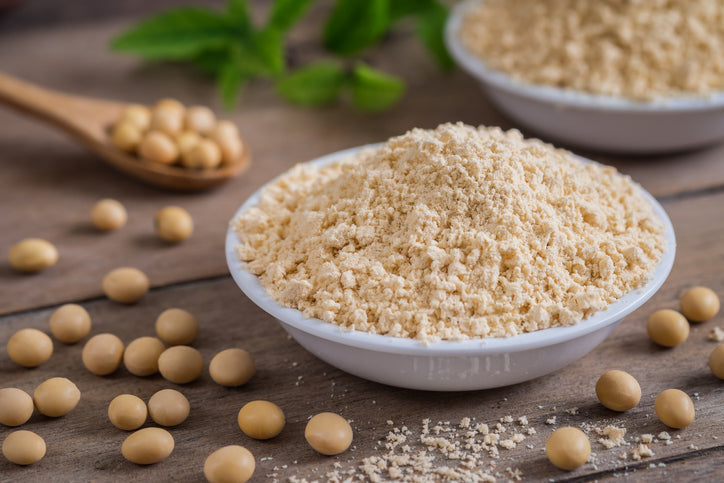
Protein is taking up more and more space in the modern diet – and for good reason. Protein helps build and maintain muscle mass and increases the feeling of fullness, making it a central element in both weight loss and weight management.
But amid the focus on protein, one crucial factor is often overlooked: dietary fibre.
Newer research shows that it is not enough to simply "eat more protein". What matters is how protein fits into the overall diet – and here, fibre plays a key role.
The effect of protein depends on the fibre content of your diet
Recent research – including systematic reviews and a meta-analysis based on randomised controlled trials – shows that protein and dietary fibre influence the gut in close interplay.
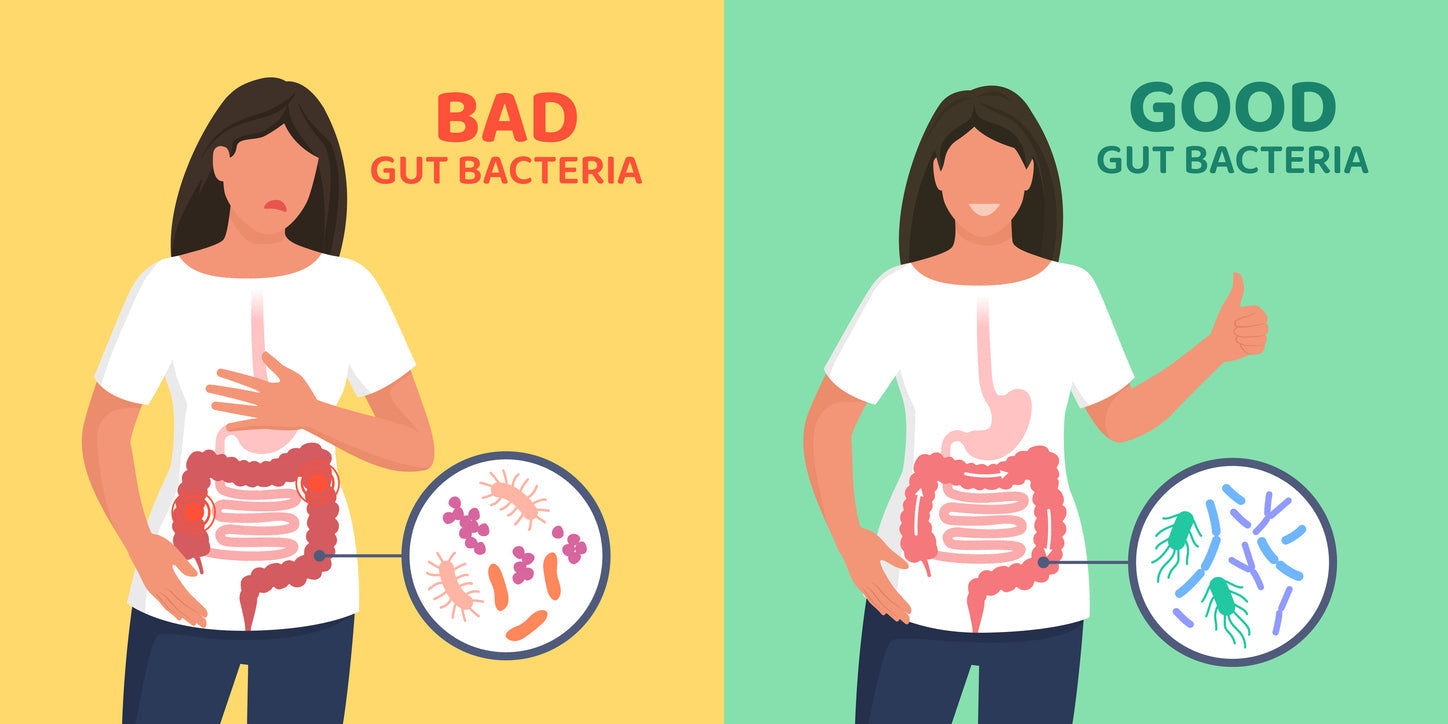
When fibre intake is sufficient, fibre acts as "fuel" for the gut bacteria. This leads to the production of short-chain fatty acids, which are involved in the body's normal physiological processes and play an important role in gut function.
When protein intake is high and fibre intake is low, this balance shifts. A greater proportion of protein reaches the large intestine, where it is broken down through other processes. This can result in the formation of metabolites that do not support the gut environment in the same way.
This does not mean that protein is problematic in itself. What matters is the balance.
Fibre and protein should work together
For many years, the nutrition debate has been dominated by an "either-or" approach: carbohydrates vs. protein, fat vs. sugar. Newer research, however, points in a different direction.
It is not about choosing between protein and dietary fibre – it is about combining them.
Protein and dietary fibre have different functions in the body, but they work best together:
- Protein contributes to the maintenance of muscle mass
- Dietary fibre contributes to normal gut function
- The combination supports a stable feeling of fullness over time – particularly relevant if you are following a GLP-1 diet plan or wish to support satiety naturally
It is the interplay between the two that creates a well-balanced nutritional foundation.
When protein takes up more space, fibre should not take up less
Although dietary fibre is an important part of a healthy diet, many people do not get enough of it in their daily lives.
The World Health Organization (WHO) recommends a daily intake of at least 25 g of dietary fibre for adults. For many, reaching this level can be a challenge – particularly during periods focused on weight loss or a high-protein diet.
This is often due to:
- A busy daily routine
- Fewer wholegrain and high-fibre carbohydrates in the diet
- An increased focus on protein-rich foods
At the same time, it is well documented that dietary fibre contributes to normal gut function – an approved nutritional claim within the EU.
Want to learn more about how diet and satiety are connected? Read our article on how TDR ensures you feel full and satisfied even with fewer calories. You may also find it useful to explore how Nupo Premium Fibre can help boost your daily fibre intake.
 Nupo Premium Fibre – a simple solution for everyday life
When the focus is on protein, it is equally important to ensure an adequate fibre intake.
Here, a simple solution can make a significant difference in practice.
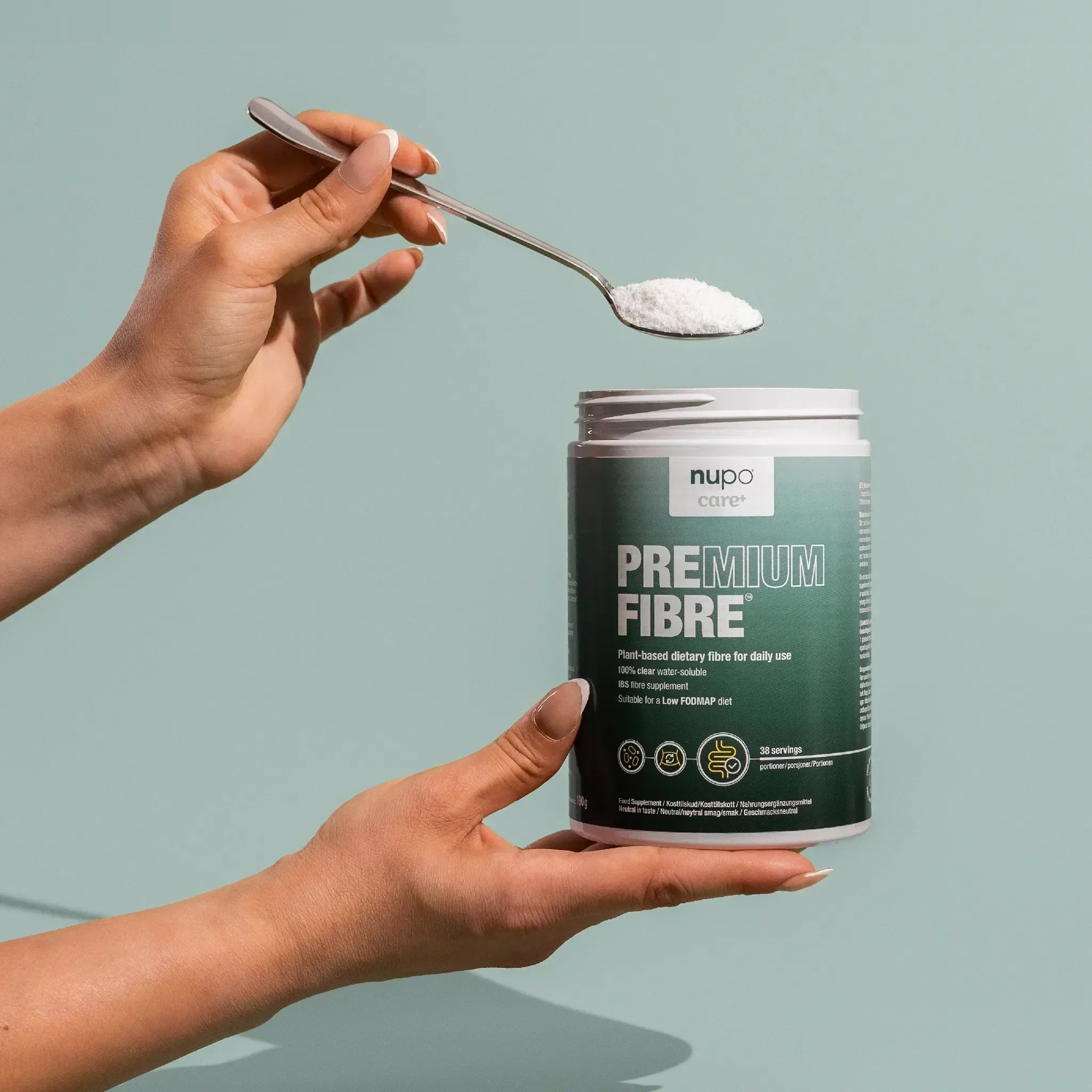
Nupo Premium Fibre has been developed to make it easier to increase your daily fibre intake. The product can be used as a supplement to your daily diet and contributes to your overall fibre intake.
The benefit is straightforward:
- Easy to incorporate into a busy daily routine
- Flexible to combine with other meals
- Makes it easier to work towards the recommended minimum of 25 g of fibre per day
Premium Fibre is not a replacement for a healthy diet – but a practical tool for creating better balance.
The key takeaway
It is not enough to focus on one nutrient at a time.
A high-protein diet works best when balanced with a sufficient intake of dietary fibre.
When you prioritise both, you support your body's normal functions and make your diet more robust in everyday life. Read more about how to achieve effective and healthy weight loss with Nupo.
References
- Mak IEK, et al. Influence of dietary protein and fiber intake interactions on the human gut microbiota composition and function. Crit Rev Food Sci Nutr. 2025.
- Makki K, et al. The impact of dietary fiber on gut microbiota in host health and disease. Cell Host Microbe. 2018.
- Cronin P, et al. Dietary fibre modulates the gut microbiota. Nutrients. 2021.
- Barber TM, et al. The health benefits of dietary fibre. Nutrients. 2020.
- Hughes RL, Holscher HD. Fueling gut microbes: diet, exercise, and gut microbiota. Adv Nutr. 2021.
- Kårlund A, et al. Protein supplements and their relation with nutrition, microbiota composition and health. Nutrients. 2019.
- Veronese N, et al. Dietary fiber and health outcomes: an umbrella review. Am J Clin Nutr. 2018.