The images in this article are AI-generated.
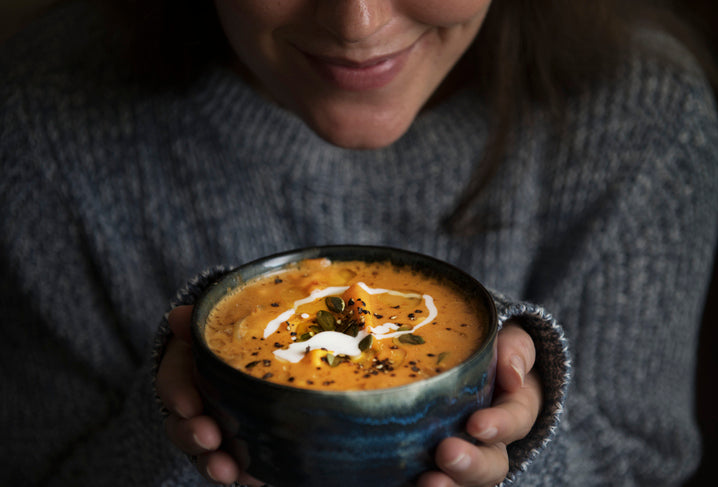
The short answer: Soften onion, leek, carrot, celery and potato in a little oil, add stock, simmer for 20 minutes and blend. That's a classic vegetable soup in about 35 minutes. Add a handful of red lentils or a tin of white beans and serve it with a protein topping, and it becomes a complete, balanced meal.
There's a reason every family seems to have its own vegetable soup. It's cheap, forgiving, uses up whatever is in the fridge and warms you right through on a grey day. Here's our version – Irish-style, simple and creamy without any cream.
Easy vegetable soup recipe (serves 4)
You'll need
- 1 tbsp olive oil or a knob of butter
- 1 onion, chopped
- 2 leeks, sliced and washed
- 3 carrots, chopped
- 2 celery sticks, chopped
- 1 medium potato, peeled and diced
- 80g red lentils, rinsed (optional, but recommended)
- 1.2 litres vegetable or chicken stock
- A few sprigs of thyme or 1 tsp dried thyme
- Salt, black pepper and a handful of fresh parsley
Method
- Melt the oil or butter in a large pot and add the onion, leeks, carrots and celery. Cover and sweat over a low heat for 8–10 minutes, stirring now and then, until soft but not browned.
- Add the potato, lentils, thyme and stock. Bring to the boil, then simmer for about 20 minutes until everything is tender.
- Blend until smooth (or leave it chunky if you prefer), season and stir through the parsley.
Why add lentils or beans?
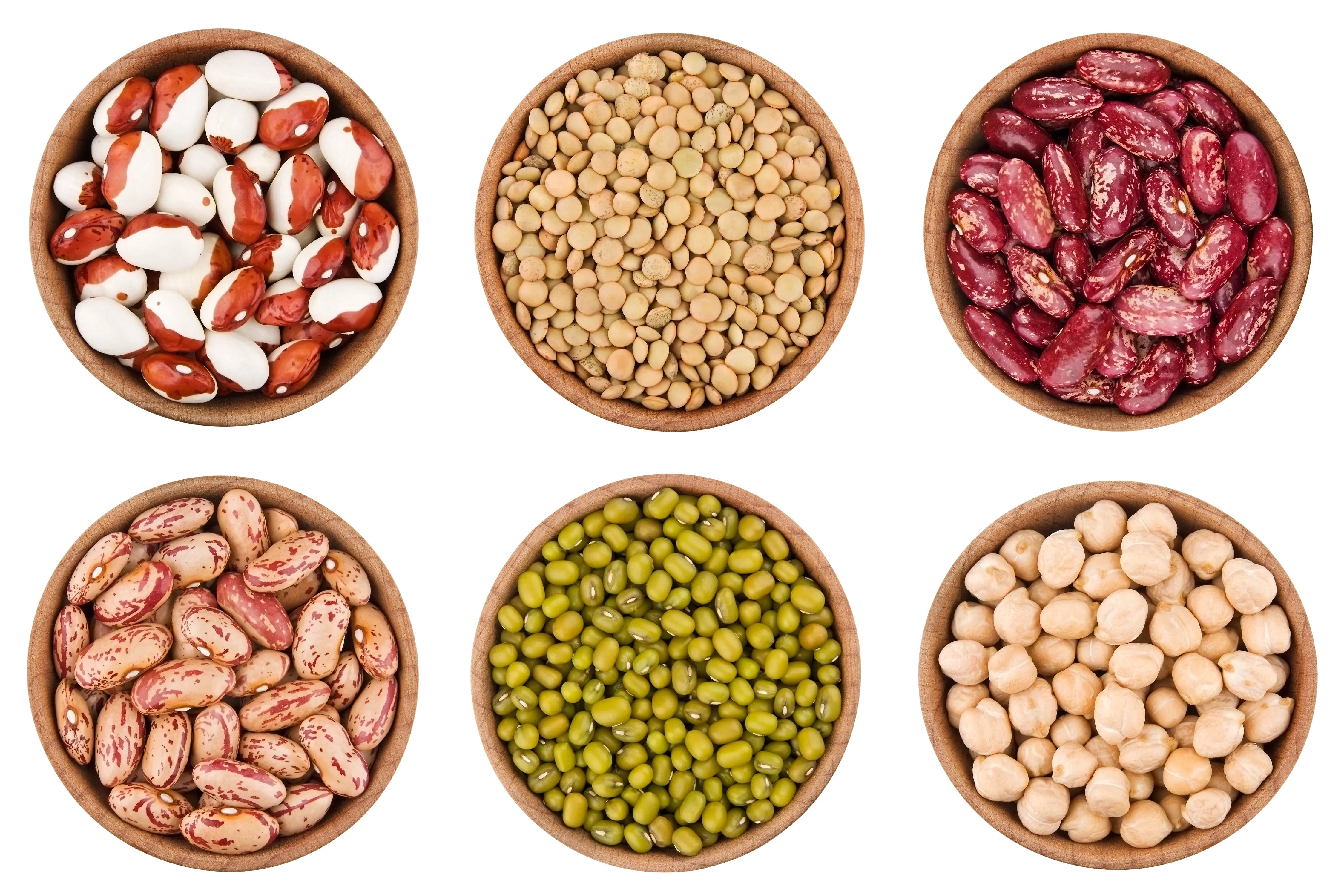
Pulses – lentils, beans and peas – bring plant protein and fibre to a soup that would otherwise be mostly vegetables and stock. They also make it thicker and silkier when blended. According to the British Nutrition Foundation, an 80g portion of pulses (about three heaped tablespoons) counts as one of your 5 A Day, although only once a day.
Three ways to make it a complete meal
Vegetable soup on its own is light. To make it a proper lunch or dinner, add protein and some wholegrains:
- Top it: a spoonful of Greek yoghurt, a crumble of feta, a poached egg or a handful of toasted seeds.
- Bulk it: stir in a drained tin of cannellini beans or chickpeas before blending.
- Serve it with: brown bread or wholemeal toast with cheese, hummus or smoked fish.

How much protein you need depends on your body weight. The European Food Safety Authority (EFSA) sets the population reference intake for adults at 0.83g of protein per kilogram of body weight per day. Our guide to good sources of protein has more ideas, and if you need something between meals, see our high protein snacks.
Variations to try
- Roasted roots: roast the carrots with parsnip and squash first for a deeper, sweeter flavour.
- Green soup: swap carrots for courgette, peas and spinach, and finish with mint.
- Tomato and bean: add a tin of chopped tomatoes and a tin of white beans, and leave it chunky.
Can you freeze vegetable soup?
Yes – it's one of the best soups for the freezer. Cool it quickly, freeze in portions and reheat until piping hot. If you've added potato, give it a good stir or a quick blend after reheating to bring back the texture.
When time is short
Some days there's no time for chopping – and that's fine. Nupo One Meal is a complete meal for the busy days. Wondering how it compares to a snack bar? Read protein bars vs meal replacements.
FAQs
What vegetables are best for vegetable soup?
Onion, leek, carrot, celery and potato make a classic base. Add whatever is in season – parsnip, squash, swede or kale all work well.
How do you make vegetable soup thicker?
Add a potato, a handful of red lentils or a tin of white beans and blend.
How long does vegetable soup take?
About 35 minutes: 10 minutes to soften the vegetables and 20 minutes to simmer.
Is vegetable soup a complete meal?
On its own it's fairly light. Add pulses, a protein topping and some wholegrain bread to make it a balanced meal.
If you have a medical condition, are pregnant or have specific dietary needs, speak to your doctor or a registered dietitian before making big changes to your diet.
Sources
- EFSA: protein population reference intake (press release, 09.02.2012)
- British Nutrition Foundation: Pulses resource (© 2022)
Last updated: 16 November 2026